Equipment
Reefer Freight
Reefer freight comes with tighter windows and higher stakes, and usually a better rate. We book temperature-controlled loads that fit your unit, your hours, and your lanes.
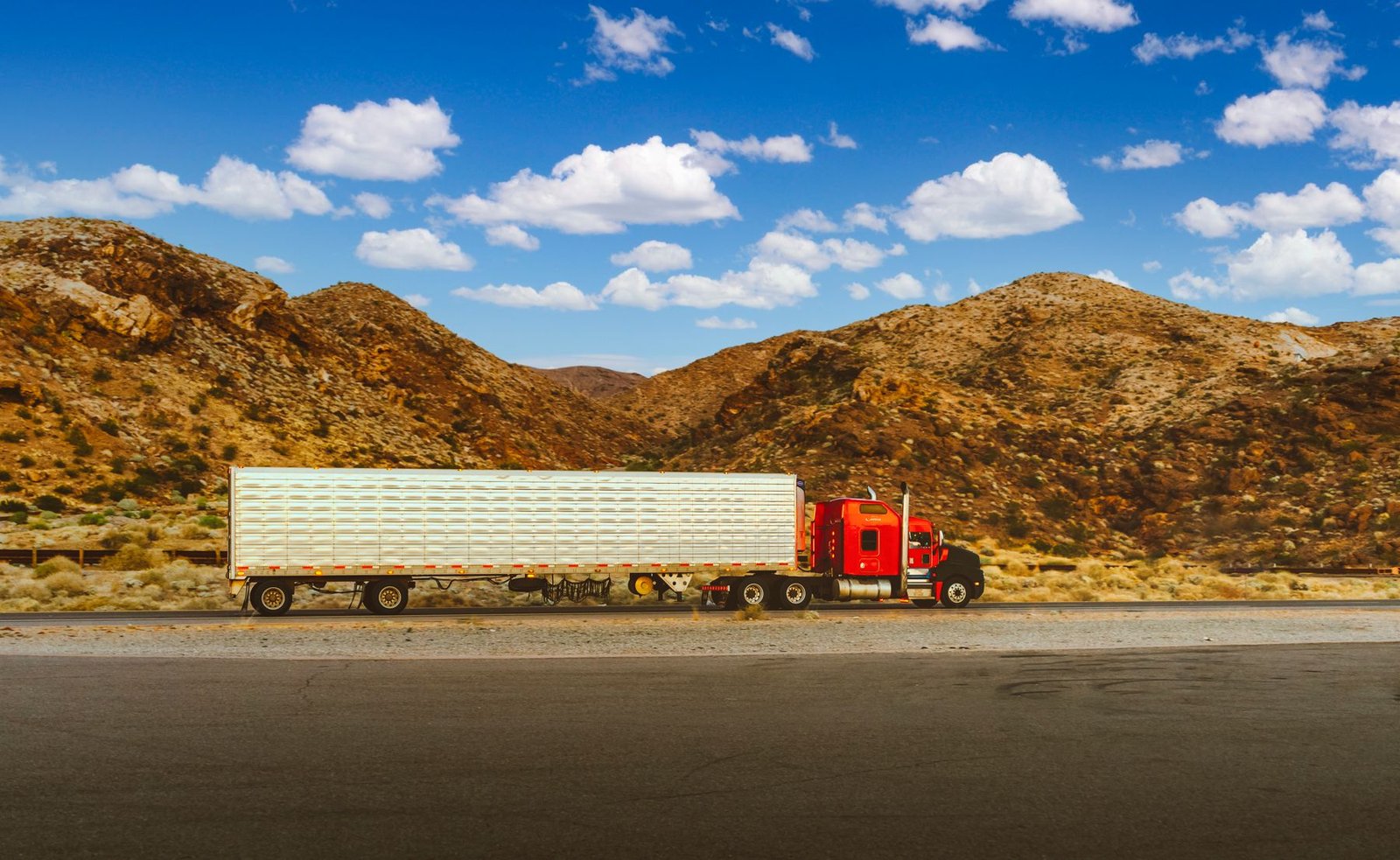
Common setup
53-foot insulated trailer with a refrigeration unit
Overview
Food has to move every day of the year, which makes reefer one of the steadiest segments in trucking. It also rewards carriers who run on time and keep a close eye on temperature.
We handle the details that make reefer freight work: confirming the set point, pickup and delivery appointments, and any special instructions before a load is booked, then negotiating a rate that reflects the extra care the freight requires.
What Is Reefer Freight?
A reefer is an insulated trailer with its own refrigeration unit mounted on the front. The unit holds a set temperature for the entire trip, anywhere from deep-frozen to chilled to a steady cool for products that can’t get too warm.
Most reefer trailers are 53 feet long. Because the unit can be switched off, a reefer can haul dry freight too, which gives you more options when you’re looking for a load home.

What We Haul
We book temperature-controlled freight for shippers and brokers moving:
- Fresh produce
- Frozen foods
- Meat, poultry, and seafood
- Dairy and eggs
- Beverages and sensitive consumer goods
- Floral and nursery products
Why Choose a Reefer?
-
Stronger rates
Reefer freight typically pays more per mile than comparable dry van loads, reflecting the equipment cost and the care the freight requires.
-
Year-round demand
Growing seasons shift across the country, but people eat every day, so there’s steady reefer freight in every month.
-
Flexibility on the way home
With the unit off, you can haul dry freight on a backhaul when a reefer load isn’t the best option.
What You Should Know
-
Set point and unit mode
The required temperature, and whether the unit runs continuous or start/stop, belong on the rate confirmation. We confirm both before you roll.
-
Pre-cooling and temperature records
Pre-cool the trailer before pickup, and be ready to share a temperature download if a receiver or broker asks for one.
-
Clean trailers and food safety
Food shippers expect a clean, odor-free trailer. Keep washout receipts handy, since some facilities ask for them at check-in.
-
Reefer breakdown coverage
Many brokers require cargo insurance that covers refrigeration breakdown. We check your coverage against a load’s requirements before booking.