Equipment
Dry Van Freight
Dry van is the backbone of truckload freight: enclosed, versatile, and in demand in nearly every market. We keep your van loaded on lanes that are worth running.
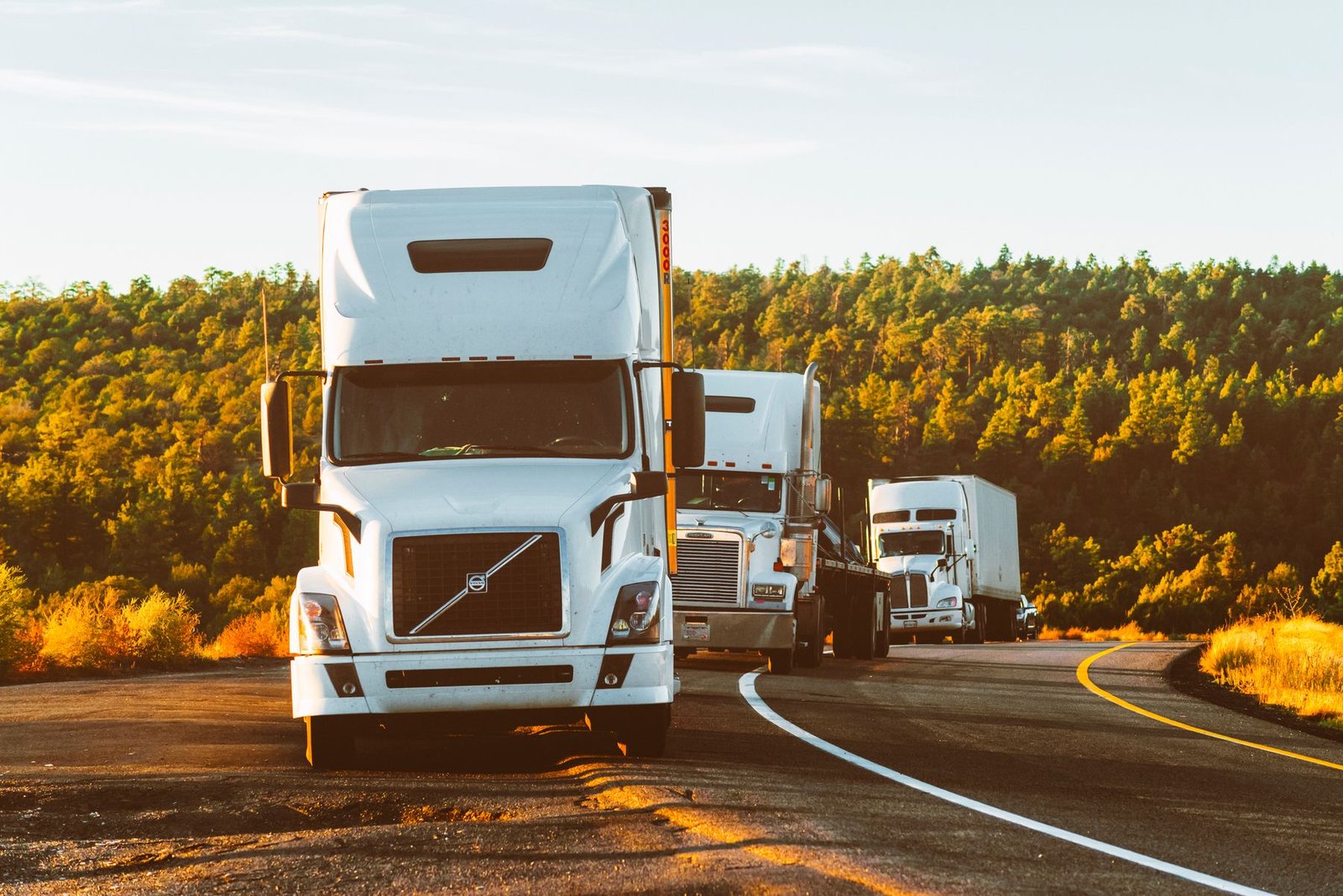
Common setup
53-foot enclosed trailer, up to 26 pallets
Overview
More loads move by dry van than by any other trailer type. That volume is good news for owner-operators, and it’s also why rates, brokers, and load quality vary so much from one post to the next.
Our dispatchers sort through that volume for you. We look for dry van freight that fits your lanes and schedule, negotiate the rate before anything is booked in your name, and line up the next load so your trailer isn’t sitting empty after delivery.
What Is Dry Van Freight?
A dry van is an enclosed, non-refrigerated trailer, most commonly 53 feet long. The walls and roof protect cargo from weather, road debris, and theft, and freight is usually loaded at a dock through the rear doors.
A standard 53-foot van holds up to 26 pallets loaded straight, and a legal load usually lands around 42,000 to 45,000 pounds depending on the weight of your tractor and trailer. Because nothing is exposed and nothing needs temperature control, a dry van can haul an enormous range of products.
What We Haul
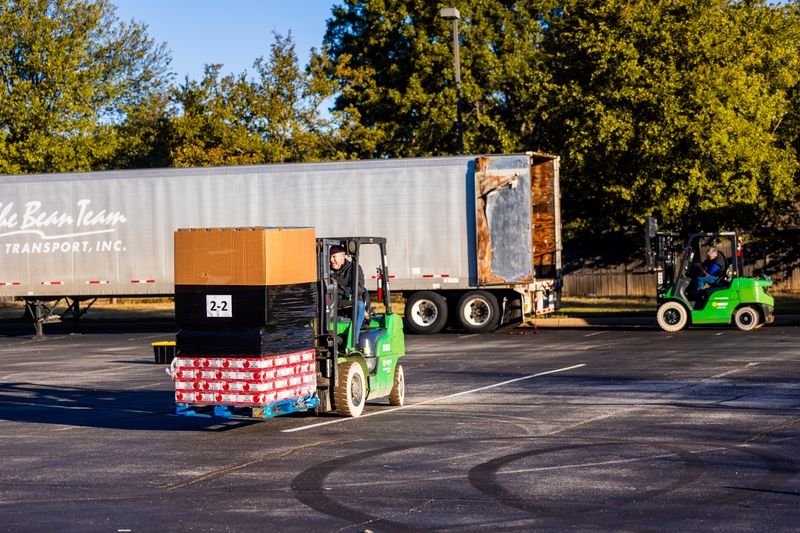
We book dry van loads across the freight that keeps retail shelves and distribution centers stocked, including:
- Retail and consumer packaged goods
- Shelf-stable food and beverages
- Paper, plastics, and packaging
- Boxed furniture and appliances
- Auto parts and industrial supplies
- E-commerce and distribution freight
Why Choose a Dry Van?
-
The most loads to choose from
Dry van freight moves in every market and every season, which means more options when we plan your next load and fewer empty days.
-
Lower operating costs
No refrigeration unit to fuel and maintain, and no tarps, chains, or straps to buy. A van is one of the simplest setups to run.
-
Easier reloads
High load volume makes it easier to find a backhaul near your delivery, so we can cut deadhead and keep the truck earning.
What You Should Know
-
Live loads vs. drop and hook
Live loads can mean hours at a dock. Before booking, we confirm appointment times, whether the load is live or drop, and how detention is paid.
-
No-touch and lumper fees
We check whether a load is no-touch or driver assist, and make sure any lumper fees and reimbursement are spelled out on the rate confirmation.
-
Seals and load security
Carry load bars or straps, record seal numbers on the bill of lading, and never break a seal without approval from the receiver or broker.